

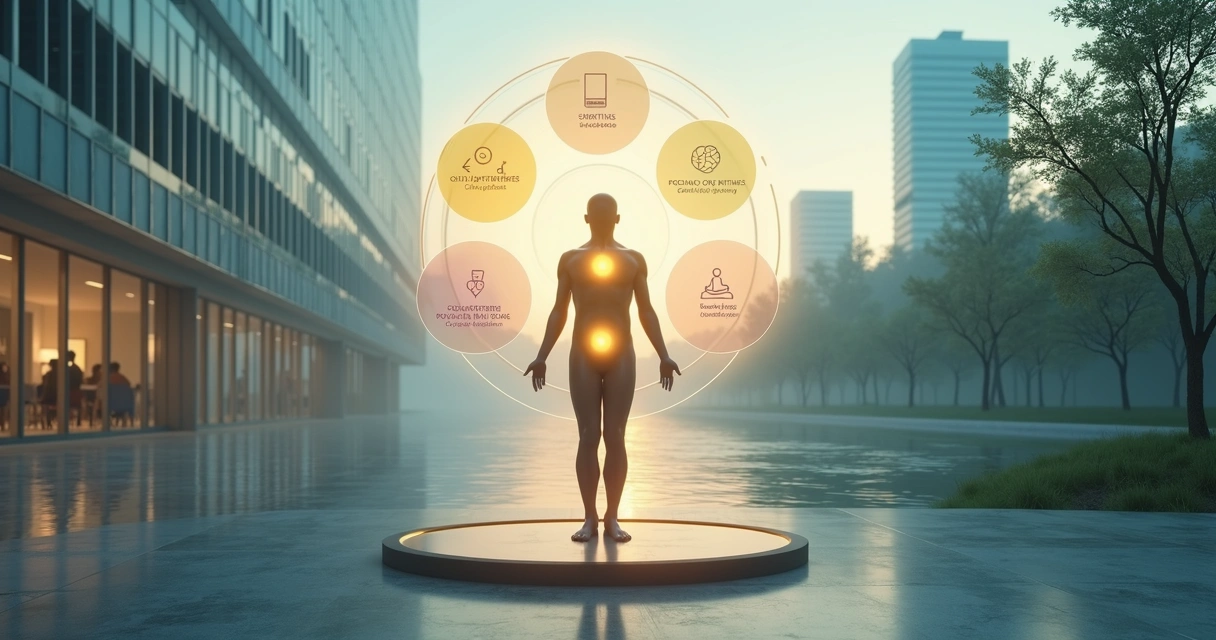
In recent years, the language of “integrative human valuation” has quietly started turning heads. Some see it as another term for valuing people at work, others think it is about ethics or even economics. But there is much more beneath the surface—layers that reshape the way we see ourselves, each other, and the world. The challenge is, most discussions are shaped by myths that no one talks about openly. We see the confusion, the hesitancy, and even resistance, and it’s not hard to understand why people wrestle with some big questions.
The way we value human life shapes how we relate, build, and lead.
Let’s look closely at what integrative human valuation is really about—and especially, five myths that quietly go unquestioned.
What integrative human valuation means for us
When we talk about “human valuation,” we mean the ways we consider a person’s worth in different aspects of life—personal, social, professional, and even global. Integrative human valuation goes further. It combines how we think, feel, relate, and act. We look not just at talents, skills, or results, but also at consciousness, ethics, context, and ripple effects on others.
From our own experience, the way we set value becomes the compass for every important decision. Who we listen to, what we reward, what support we offer, and the kinds of leadership we promote—these flow from the hidden beliefs around value.
Yet, false ideas often slip into these beliefs. The following five myths keep us stuck, and we know that new possibilities open up when we clear them out.
The first myth: Human value is fixed
This first myth is almost everywhere—we have been told, one way or another, that a person’s worth is fixed: by birth, background, or ability. This thinking appears on a family level and in boardrooms. We have heard sentences like, “Some people are just born leaders,” or “She doesn’t have what it takes.” This attitude can shape choices for a lifetime.
The truth is, human value is not static—it matures and expands as consciousness develops.
When individuals become more self-aware, take responsibility, and show ethical maturity, the way their value is expressed changes deeply. We have seen people once labeled “difficult” become wise teachers, and so-called “average” team members turn into pillars of integrity. The process is dynamic, not fixed.
The second myth: Value is just about economic contribution
Many of us were raised to believe that our value depends on what we produce—the hours we work, financial results, performance scores. While contribution does matter, we often see important aspects left out: emotional influence, creative vision, generational legacy, or the capacity to lift others up.
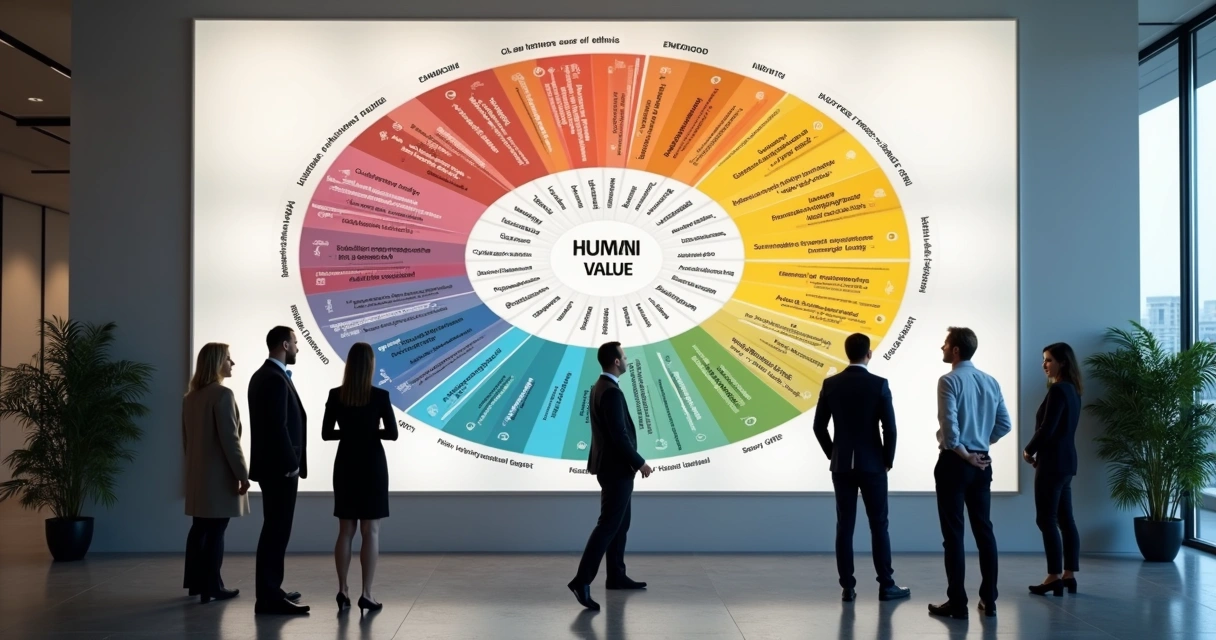
Someone who helps resolve conflict or brings calm to tense rooms is making a contribution that a spreadsheet can’t measure. We have watched workplaces transform, not from more technical skill, but when people are valued for their wisdom, reliability, or empathy. A person’s value is never limited to economic output.
The third myth: Valuation is objective and neutral
On the surface, it’s easy to believe we can value humans with pure objectivity—through data, measurable outcomes, and well-designed criteria. We wish it were so. In practice, every tool or scale is shaped by the values, history, and consciousness of those who use it.
Our history, culture, and emotion are always part of how we value people, whether we admit it or not.
Think of how different cultures see age, gender, or family roles. What is regarded as “highly valuable” in one place is nearly invisible in another. Even professional assessments are touched by conscious and unconscious bias. This is why understanding psychological patterns is a key factor in honest valuation. We have seen that working with self-awareness before evaluating others changes not only decisions but relationships.
The fourth myth: Ethics and sustainability are separate topics
Some believe that ethics, sustainability, and human valuation belong in separate conversations. In discussions, these words are often put in their own box—a “corporate responsibility” page or a single workshop. In our view, this disconnection is not just misleading, it is risky.
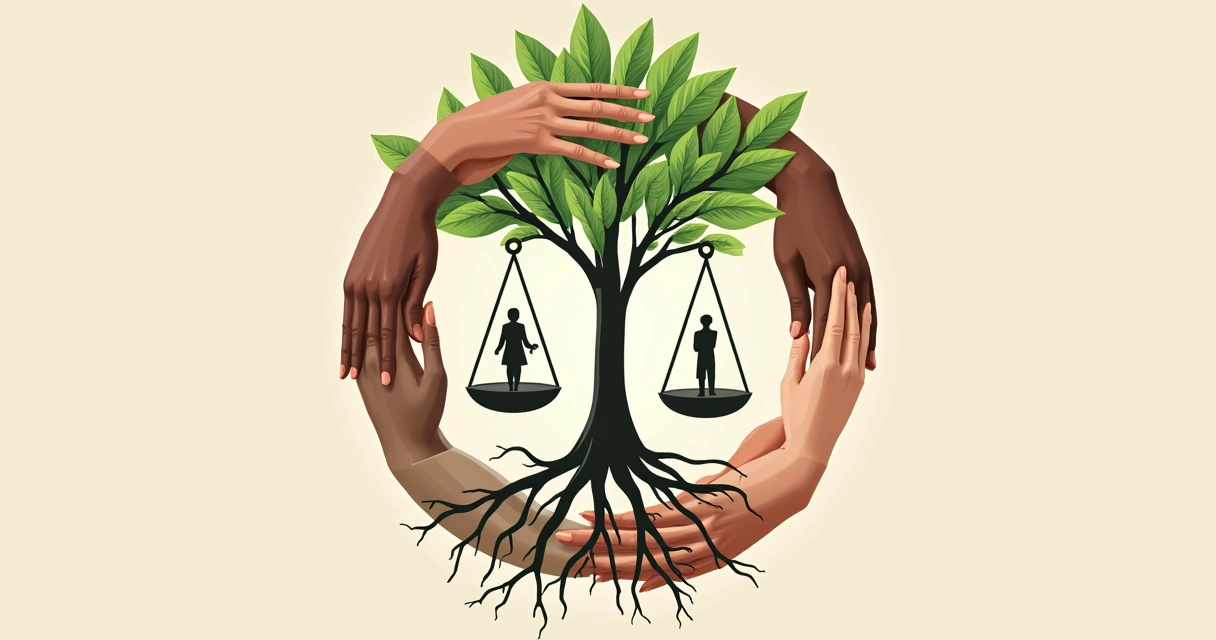
We see ethics and sustainability as inseparable from how we value humans. When we make decisions that ignore the well-being of others or the long-term effects of our choices, even small errors magnify. Whether you’re a leader or a community member, linking value to ethics and impact creates stability for everyone.
The fifth myth: Integrative valuation is a luxury, not a necessity
Perhaps the quietest myth is the belief that integrative human valuation is something “extra.” Many see it as a bonus for big organizations, or only for those who already have time and resources. In our experience, nothing could be further from reality.
How we value each other shapes every choice, every plan, and every relationship.
This is not an exercise for “when there is time.” We have found that individuals, families, and organizations that learn these principles respond with more creativity and calm during difficulties. When a group links their actions to expanded human value, results often shift, and trust grows. Even in small teams or at home, integrative human valuation offers stability and respect. For those who want to go further, looking at systemic and relational factors helps to trace hidden patterns in the way we assign value.
How do we move forward with integrative human valuation?
In our experience, honest changes start with small, clear steps. We suggest beginning by:
- Reflecting regularly on the hidden values guiding your choices.
- Inviting open dialogue about value—especially with people who might see things differently.
- Building practices that bring more consciousness to everyday decisions, especially in times of stress or conflict.
- Finding ways to connect personal growth, leadership, and ethical thinking in daily life.
When we shift our understanding, our actions follow. For those interested in deeper perspectives on inner maturity and its connection to value, our consciousness resources can be helpful. And for real people stories and insights, our team’s reflections share practical experiences.
Conclusion
We have seen these myths hold back true growth and even damage trust. When we see human value as dynamic, connected to consciousness, and as something that includes ethical and sustainable actions, the effect is not just personal—it touches organizations, families, and even the wider community. Clearing these myths lets us work, relate, and make decisions with greater clarity and respect. If each person begins to apply one small insight from these five myths, the positive effects can ripple outwards in ways we might never expect.
Frequently asked questions
What is integrative human valuation?
Integrative human valuation is the process of recognizing and honoring a person’s value by uniting multiple aspects—consciousness, emotion, ethical behavior, action, and the context of relationships. It goes beyond measuring people by just skills or roles, and includes their inner growth, ethical impact, and the wider effects of their decisions.
What are the five myths mentioned?
The five myths are:
- That human value is fixed and unchanging.
- That value depends only on economic contribution.
- That valuation is always objective and neutral.
- That ethics and sustainability do not relate to human value.
- That integrative human valuation is only a luxury, and not a real necessity for everyday life.
Why is human valuation important?
Human valuation is important because it shapes choices, relationships, leadership, and community well-being. When we value each other with more awareness and depth, we build trust, stability, and ethical outcomes at every level of society.
How does integrative valuation work?
Integrative valuation works by combining practical observation with inner reflection, open dialogue, and ethical awareness. The process involves paying attention to hidden assumptions, growing emotional maturity, and connecting decisions to both immediate and long-term effects on others.
Is integrative human valuation reliable?
Integrative human valuation is reliable when practiced with self-awareness, group reflection, and honest intention. No approach is perfect, but combining data with personal insight, ethical thinking, and system-level awareness helps decisions become more fair, balanced, and meaningful.