

We often think routines are simple. We wake up, check the phone, drink coffee, answer messages, rush, pause, eat, scroll, and sleep. It looks ordinary. Yet in our experience, daily repetition is rarely empty. Beneath each repeated act, there is usually a silent purpose trying to keep life stable, safe, meaningful, or controlled.
Routines are not only schedules. They are messages about what we fear, value, avoid, and seek.
Sometimes this becomes clear in small scenes. We have seen people reorganize the same desk every morning, not because the desk is messy, but because order gives them emotional ground. We have seen others stay busy all day and still feel lost, because motion can hide uncertainty.
When we observe routines with honesty, patterns appear. These patterns can reveal hidden purposes that shape choices without asking for permission. That is why a close look at repeated behavior can support work linked to conscious awareness, emotional insight, and more mature action.
Why patterns matter
Repeated behavior has weight because it reduces decision effort. A recent summary of research on everyday habits reported that about 66.3% of daily behaviors are prompted by habit, and 87.6% of those happen automatically. The same report showed that many daily acts are still intentional, which means our routines often carry both purpose and automatic repetition at once.
A routine can be conscious in origin and automatic in execution.
This matters because hidden purposes usually live in that overlap. We once choose a behavior for a reason, then keep repeating it long after the reason has changed.
Nine patterns that reveal hidden purposes
1. Repeating speed to avoid inner contact
Some people fill every hour. If there is a gap, they close it fast. Calls, tasks, errands, noise. On the surface, this looks like discipline. Underneath, the hidden purpose may be to avoid silence, because silence can expose grief, fear, or confusion.
We think this pattern is easy to miss because society often rewards busyness. Yet constant speed can act like emotional cover.
Fast is not always free.
If every pause feels uncomfortable, the routine may be protecting us from what still needs to be felt.
2. Seeking control through small order
There is nothing wrong with structure. In fact, it can support balance. But when someone must arrange objects, repeat checking, or follow rigid sequences before feeling calm, the routine may serve a deeper need for safety.
The hidden purpose here is often emotional regulation. A person may not feel in control of life, relationships, or future plans, so order in small things becomes a way to restore steadiness.
Topics like this appear often in reflections on human behavior and emotional patterns, because repeated order is not always about preference. Sometimes it is compensation.

3. Overgiving to secure belonging
Some routines revolve around everyone else. Always saying yes. Always helping. Always anticipating needs. This may look kind, and often it is. But sometimes the hidden purpose is not generosity alone. It is fear of rejection.
We have noticed that overgiving can become a daily strategy to earn a place in the group, family, or workplace. The person may feel that being needed is safer than simply being present.
When care becomes constant self-erasure, the routine may be asking for approval, not only expressing love.
4. Scrolling to postpone discomfort
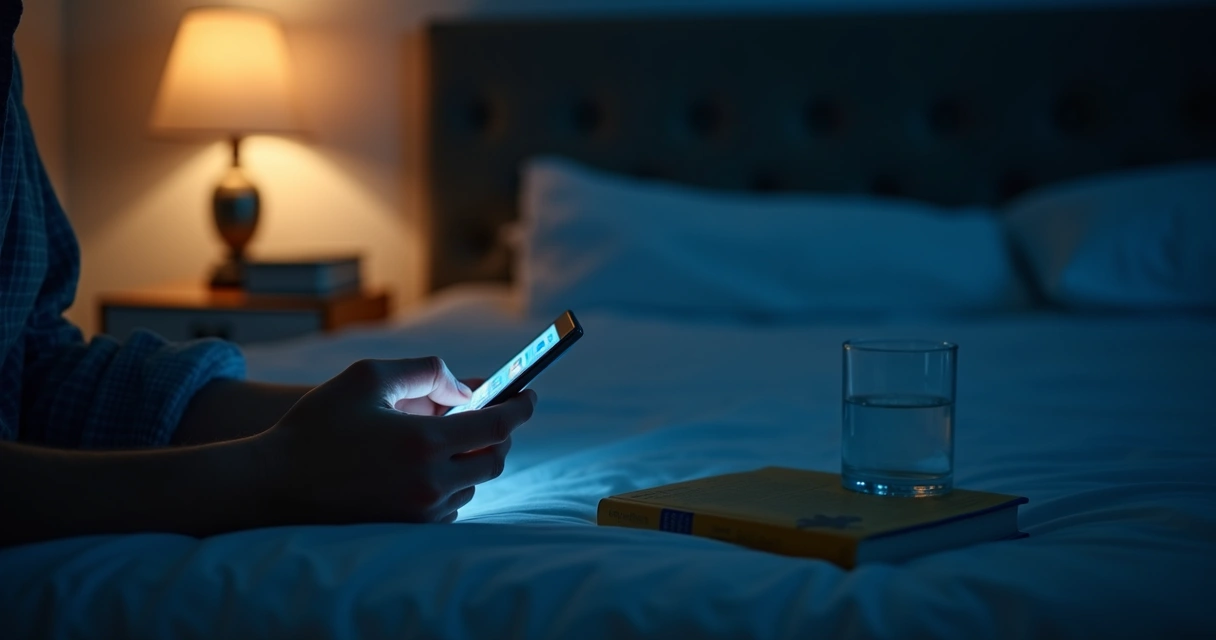
Many people touch the phone before they fully wake up. Then again in line, at meals, during work breaks, and before sleep. The act seems small, but repetition reveals intent.
The hidden purpose may be distraction from unease. It can postpone boredom, loneliness, decision pressure, or the emotional weight of the day. In that same habit research, screen time appeared among common daily behavior categories, which makes this pattern easy to normalize.
But normal does not mean neutral. If scrolling appears every time discomfort rises, the routine is serving emotional escape.
5. Delaying decisions to protect identity
Procrastination is often treated as laziness. We do not think that is accurate enough. In many cases, delay protects the image we have of ourselves. If we never finish, we never face judgment. If we never choose, we never risk the pain of being wrong.
So the hidden purpose of delay can be self-protection. This is why some people postpone even what they deeply want.
In our view, this pattern becomes clearer when we stop asking, “Why am I so undisciplined?” and start asking, “What is this delay trying to prevent?”
6. Recreating family roles in ordinary acts
Daily routines can carry old relational roles. The one who mediates every conflict. The one who stays invisible. The one who fixes problems no one asked them to fix. These are not random habits. They are often learned positions.
Looking at routines through a systemic view of relationships and inherited dynamics can help us notice how past belonging shapes present repetition.
We have seen this in simple moments. Someone apologizes first, every time, even when hurt. Another person cannot rest unless everyone else is settled. The hidden purpose is usually loyalty to an old place in the system.
7. Chasing improvement to feel worthy
Growth is healthy. Learning is healthy. But there is a point where self-improvement stops being care and starts becoming proof. Some routines are built around constant correction, constant measurement, and constant dissatisfaction.
The hidden purpose here is often worthiness. The person may believe they must become more before they deserve peace.
This is where discussions about how we define human value become helpful. If value depends only on output or visible progress, routines can become harsh judges instead of supports.
8. Eating by pattern, not by hunger
Food routines can reveal more than appetite. Some people eat to mark transitions. Others eat to calm stress, to avoid emptiness, or to reward survival after a hard day. The body asks for food, yes, but the emotional layer may ask for relief.
This does not mean every snack has deep meaning. It means repetition around food deserves gentle attention when the pattern is stable and emotionally linked.
We suggest observing when the urge appears, not just what is eaten.
9. Searching for meaning in repeated learning
Not all hidden purposes come from pain. Some come from inner direction. A person who journals every night, studies consistently, or protects quiet reflection each morning may be expressing a true need for coherence and growth.
The hidden purpose here is alignment. The routine helps connect thought, emotion, and action. When this happens, daily life stops feeling fragmented.
If someone wants to keep noticing these patterns in a practical way, a simple reflection through the site’s content search tools can help organize themes worth observing further.
How to observe without self-attack
Pattern reading should not become self-judgment. That ruins clarity. We learn more when we watch routines with steadiness and plain honesty.
A useful way to start is to note three things for one week:
What we repeat at the same time each day.
What feeling tends to come right before the routine starts.
What relief, reward, or result comes right after it ends.
This simple observation often reveals the purpose hiding inside the act. Not all routines need to change. Some only need to be understood. Others need to be updated because they belong to an older version of us.
Conclusion
Daily routines are rarely empty. They can hold fear, loyalty, longing, protection, value, and direction. When we notice the pattern behind the action, life becomes more readable. We stop reacting to the surface and start hearing the message underneath.
The hidden purpose of a routine tells us what part of life is asking for care.
That insight can soften blame and improve choice. A repeated act may show where we are still protecting old pain, where we are seeking belonging, or where we are trying to live with more truth. Small habits. Deep signals. That is often how inner life speaks.
Frequently asked questions
What are hidden purposes in routines?
Hidden purposes in routines are the silent motives behind repeated actions. They may include seeking safety, avoiding discomfort, gaining approval, creating order, or staying connected to personal values. These purposes are often active even when we do not notice them.
How to identify routine patterns?
We can identify routine patterns by watching what happens repeatedly, when it happens, what feeling appears before it, and what result comes after it. Writing these details down for several days usually makes the pattern much easier to see.
Why do routines have hidden meanings?
Routines have hidden meanings because human behavior is shaped by emotion, memory, learned roles, and silent expectations. A routine may begin as a response to stress, fear, or need, then continue automatically long after its first cause is forgotten.
Is it worth analyzing daily routines?
Yes. Looking at daily routines can reveal what supports us, what drains us, and what keeps old patterns alive. This kind of observation can improve self-knowledge and help us make choices with more awareness.
Can routines help achieve personal goals?
Yes. Routines can support personal goals when they match clear intentions and real values. When daily actions are aligned with what we want to build, progress becomes more stable and less dependent on mood alone.